How to Share the Gospel with a Muslim
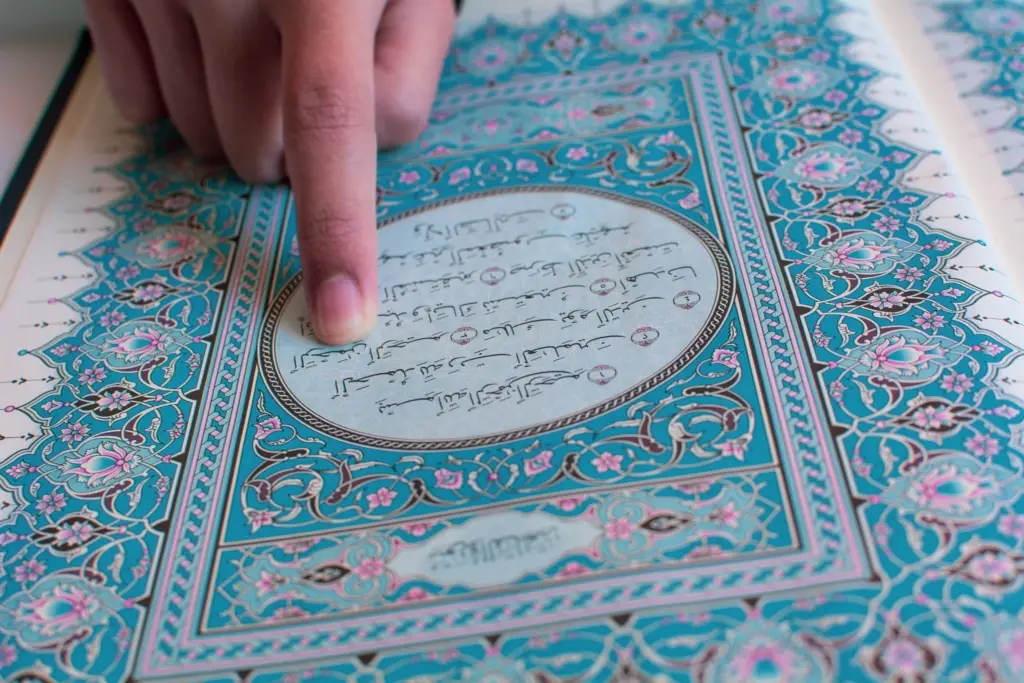
Muslims belong to the religion named Islam, which means “way of submission.” Their beliefs are based on the teachings of a book called the Quran (kr-ann), which the prophet Muhammad—the founder of Islam—claimed were dictated to him supernaturally by the angel Gabriel. He started sharing his message in 610 A.D., and today, Islam is the second largest religion in the world, with nearly 2 billion followers.
Each Friday, religious Muslims go to a building called a mosque to pray to Allah. While in the mosque, they pray facing east, toward the city of Mecca—the birthplace of Islam, near where Muhammad said he received his visions.
What do Muslims believe?
Muslims believe that Islam is the only true religion, and they value being radically committed to their faith. At the core of Islam are seven fundamental beliefs that a Muslim must accept as a part of their religion.
The 7 fundamental beliefs are:
- Belief in one god, who in Arabic is named Allah.
- Belief in angels (both good and evil).
- Belief in the revealed Books of God (Quran, Torah, Psalms, and Gospels).
- Belief in God’s many prophets (including Adam, Abraham, Moses, David, and others whom Christians and Jews are familiar with).
- Belief in a final judgment day.
- Belief in the Divine Decree (absolute predestination of all things).
- Belief in life after death.
A Muslim’s beliefs affect every area of their life, including how they spend their time, what they eat, and the types of friends they choose.
In addition to their fundamental beliefs, Muslims have five practices they observe called the Five Pillars of Islam.
The Five Pillars of Islam:
- Shahada (Declaration of Faith) – Consistent recitation of and belief in the creed: “There is no god but Allah, and Muhammed is his messenger.”
- Salah (Prayer) – Praying toward Mecca (their holy city) five times a day.
- Zakat (Almsgiving) – Giving 2.5% of their total wealth (not income) to the poor.
- Sawm (Fasting) – Fasting from dawn till dusk for 30 days during Ramadan (the ninth month of the Islamic lunar calendar).
- Hajj (Pilgrimage) – Traveling to Mecca at least once in their lifetime.
How do Islam and Christianity differ?
About God:
A Muslim doesn’t believe in the God of the universe who is revealed in the Bible as Yahweh (I AM). Rather, their god is called Allah.
About the Trinity:
Muslims wholeheartedly reject the biblical teachings about the Trinity. They believe there is only one true god, that his name is Allah, and that he does not exist in three persons.
About Jesus:
Muslims believe that Jesus was one of Allah’s many prophets. They reject the notion that Jesus is God, and they believe that Muhammad was a greater man and prophet than Jesus.
About the Bible:
Muslims believe that the Quran alone is completely divine in origin. They consider only part of the biblical canon to be God’s word and believe that portions of the Bible have become badly corrupted and inaccurate.
About the afterlife:
Muslims believe that there’s life after death, in which faithful Muslims are rewarded according to their faithfulness and unbelievers (sometimes called infidels) suffer for eternity.
About salvation:
They believe that salvation—which really just means their reward in the afterlife—is achieved only through absolute obedience to Allah, the Quran, and the Five Pillars of Islam.
What does the Bible say?
About God:
God identified Himself as I AM (Exodus 3:14), meaning He is the self-existent (never had a beginning or end) eternal Creator of the universe. The character of God, as described in the Bible, is very different from the character of Allah, as described in the Quran.
About the Trinity:
There’s one God and yet three Persons (Isaiah 45:5, Deuteronomy 6:4, Matthew 28:19, Corinthians 13:14).
About Jesus:
Jesus is fully God and fully man, and not a prophet of Allah. He is the God of the universe (John 1:1, 14, 18; 8:58 ; 10:30. Compare Titus 2:13 and Isaiah 45:21), and He is coequal with God the Father and God the Holy Spirit.
About the Bible:
The Bible alone is the word of God. It is without error. It cannot and should not be added to or subtracted from (2 Timothy 3:16–4:4; Revelation 22:18-20). The Quran isn’t sacred because it wasn’t sent from God, and it adds to and takes away from Scripture.
About the afterlife:
Those who trust in Christ alone as their only hope of salvation will spend eternity in Heaven. Those who reject Christ will spend an eternity in Hell (John 5:24-30; Revelation 20:11-15).
About salvation:
Salvation is by faith in Christ on the basis of His death on the cross and His resurrection. Good works or self-denial can’t save us (John 3:16-17, 36; 6:29, 47; Romans 4:1-5; Galatians 2:16; Ephesians 2:8-9; Titus 3:5).
What should I ask my Muslim friend?
- What’s it like to be a Muslim? The traditions I’ve heard about sound interesting.
- Have you ever been to Mecca or do you plan to go?
- Which parts of Islam do you wish people understood better?
- Do you follow Islam because of your own choice, or because of your family?
- What do you think happens after we die?
- Do you believe that you have to live by the Five Pillars of Islam to enter into Heaven?
- What do you believe about Jesus?
- Do you think there’s a difference between a “religion” and a “relationship” with God?
- Have you ever considered that Jesus really could be the Son of God? Why or why not?
- How would your Muslim friends and family react if you converted to Christianity? How does that make you feel?
- What do you think of Jesus’s claim that He was God and the way back to God?
- Has anyone ever explained the Gospel to you?
What can I admire about their beliefs?
- Their belief in one true God.
- Their commitment to prayer.
- Their commitment to leading a devout life that pleases God.
- Their belief in a literal heaven and a hell.
Things to remember:
- Muslims typically come from a radically different way of looking at the world, so your early witnessing efforts should consist of mainly listening to where they’re coming from. That means you should first strive to be a friend. Muslim culture places a high value on friendships. But many Muslims haven’t had the opportunity to develop a close friendship with a Christian. Muslims value hospitality, so invite them into your home. If you ever visit a Muslim friend, you can’t leave without being offered something to drink, no matter how short the visit. Show them the same care and hospitality (and ask beforehand about any dietary restrictions).
- Muslims are closely tied to their family and culture, so be sensitive that if they reject Islam, their family and culture will probably reject them harshly. This means your Muslim friend must carefully weigh all the consequences of trusting Christ. Give them time to consider the Gospel, and make sure you don’t make trusting in Christ sound like it’s no big deal or a ticket to an easy life.
- Stick to the common themes where Islam and Christianity meet, such as Jesus and the Bible. Use those themes to introduce your friend to the truth, including the claims of Christ, His death and resurrection, and the Bible being the inspired word of God.
- Muslims often view their God (Allah) as angry and demanding. Use your own testimony as a way to show how it’s possible to have a personal relationship with the personal God of the universe (Yahweh), who loves and forgives unconditionally on the basis of Christ’s death and resurrection.
For further research:
- Pick up a copy of Greg Stier’s book Dare 2 Share: A Field Guide to Sharing Your Faith.
- Check out Christian Answers.